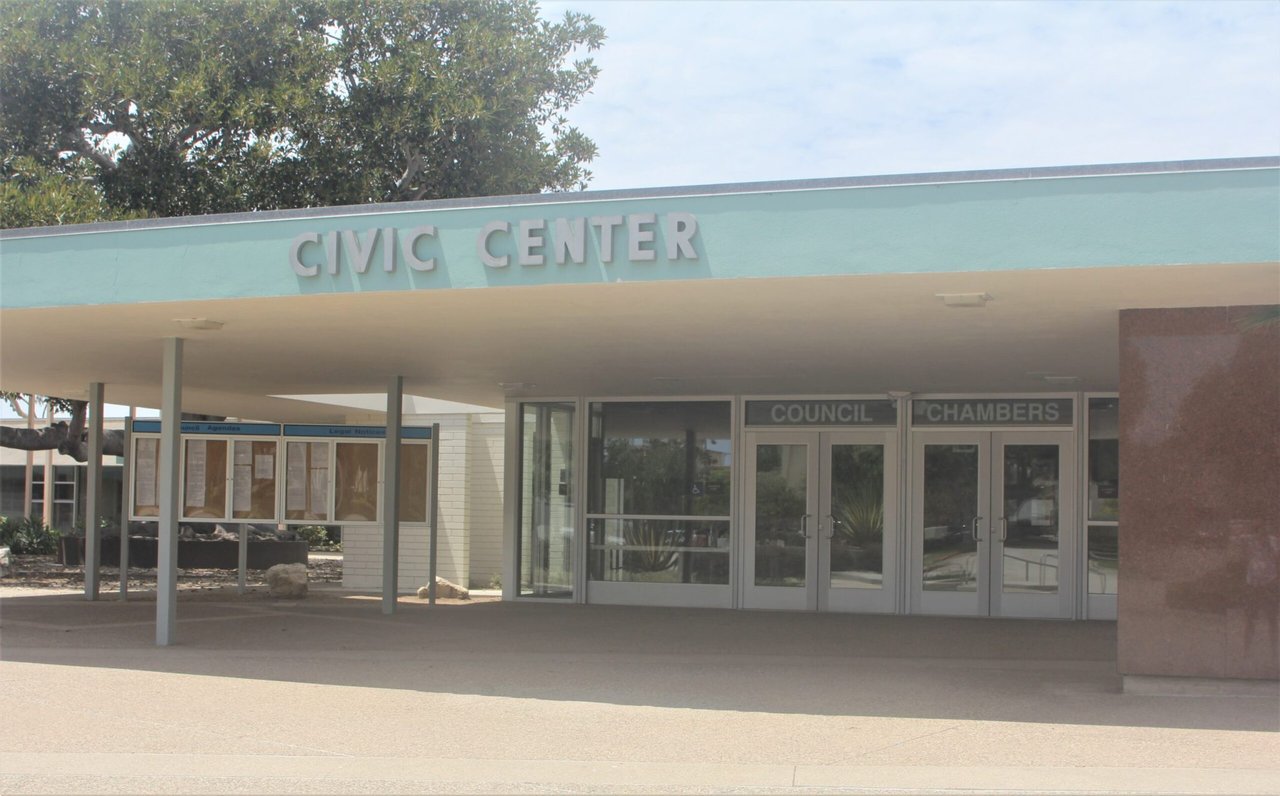
Something significant happened at Redondo Beach City Hall earlier this month and it barely made a ripple in most people's news feeds. The City Council voted unanimously to overhaul the city's entire Housing Element, the legal document that controls where and how densely Redondo Beach can be developed. That vote was not routine. It was a direct response to a state court ruling that put your neighborhood's zoning protections at serious risk.
I want to break this down clearly because it directly affects the value and character of property you own or are considering buying in the South Bay.
What Is a Housing Element and Why Should You Care
Every city in California is required by state law to identify specific parcels where new housing can be built to meet regional targets. Redondo Beach's target is 2,490 new housing units by 2029. Cities whose Housing Elements are not approved by the state are subject to the Builder's Remedy Law, which exempts residential developments from local zoning laws including height and density limits. Easy Reader & Peninsula Magazine
That last part is the one you need to understand. Builder's Remedy means a developer can come into your neighborhood and propose a building that completely ignores Redondo's zoning rules, taller than allowed and denser than allowed, and the city has almost no legal ground to stop them.
What the Court Ruled
On October 10, 2025 the California Court of Appeals Second Appellate District issued its decision in New Commune DTLA LLC v. City of Redondo Beach, ruling that the City's Housing Element failed to satisfy state Housing Element Law requirements. The court held that the city's use of a residential overlay zone to satisfy its regional housing needs allocation failed to comply with state law on two independent grounds. Rutan
In plain English: the city had been using a legal workaround to meet state housing requirements by layering a residential overlay on top of commercial land. The court said that was not good enough because it did not guarantee housing would actually be built there. This decision significantly reinterprets state Housing Element Law and invalidated Redondo Beach's Housing Element despite it having been previously certified by the state's Department of Housing and Community Development. Holland & Knight
That prior certification, which the city had relied on for years, turned out to be no protection at all.
What Redondo Did Next
The city could not afford to stay exposed. Under Builder's Remedy a developer can submit a project on virtually any parcel disregarding height limits, density caps, setbacks and most local zoning provided 20 percent of units are affordable to lower-income households or 100 percent are moderate-income. The city has almost no grounds to deny it. The Hermosa Review
So Redondo Beach moved fast. In January the new plan went through a seven-day public review. The city planning commission then recommended its approval. In February the city sent a preliminary draft to the state Housing and Community Development department and received a response deeming it in "substantial compliance." Easy Reader & Peninsula Magazine
The Redondo Beach City Council then voted 5-0 to approve the new Housing Element earlier this month, looking to retain as much local control over zoning as possible. The new plan has no overlays. Instead it increases density allowed on four of Redondo's five designated new-housing sites. New development on these sites is now required to have 50 percent of its floor space be residential. Easy Reader & Peninsula Magazine
What This Means for Specific Neighborhoods
The new plan concentrates future density near transit corridors in north Redondo. The site at Kingsdale Avenue and Artesia Boulevard had its allowed density increased from 55 to 65 dwelling units per acre and height from four to five stories. Similar increases were made for the site south of the Transit Center at Kingsdale Avenue and 182nd Street, the FedEx site at South Pacific Coast Highway and Paseo De Gracia Street and three sites on 190th Street between Meyer Lane and Hawthorne Boulevard. Easy Reader & Peninsula Magazine
If you own property near any of these corridors the zoning landscape around you is actively changing. That can work for you or against you depending on how you position your asset.
For buyers it raises a critical question: are you purchasing next to a parcel that just became significantly more developable?
For sellers it means your timing and your pricing strategy have to account for what is happening to the character of your surrounding blocks, not just comparable sales from last quarter.
The Bigger Picture: This Is Not Just a Redondo Story
Other housing elements across California may now be deemed noncompliant under this ruling, potentially triggering renewed Builder's Remedy opportunities for developers in cities without valid housing plans. Hermosa Beach and Manhattan Beach are watching this closely. South Bay buyers who get priced out of one city and shop in another need to understand that the development rules in every city are actively shifting. Davis Vanguard
This is exactly why having a hyper-local Agent who understands what's happening locally, not just looking at MLS data, is an important consideration when choosing the right Agent to work with when buying or selling a home in the South Bay.
My Bottom Line for You
I am not here to alarm you. Redondo Beach moved quickly and the new Housing Element gives the city real legal footing. But the window when this was most dangerous demonstrated clearly how fast neighborhood character can be placed at legal risk without residents even knowing it was happening.
Whether you are buying or selling in Redondo Beach right now you deserve to know what is happening at the policy level, not just what sold on your street last month.