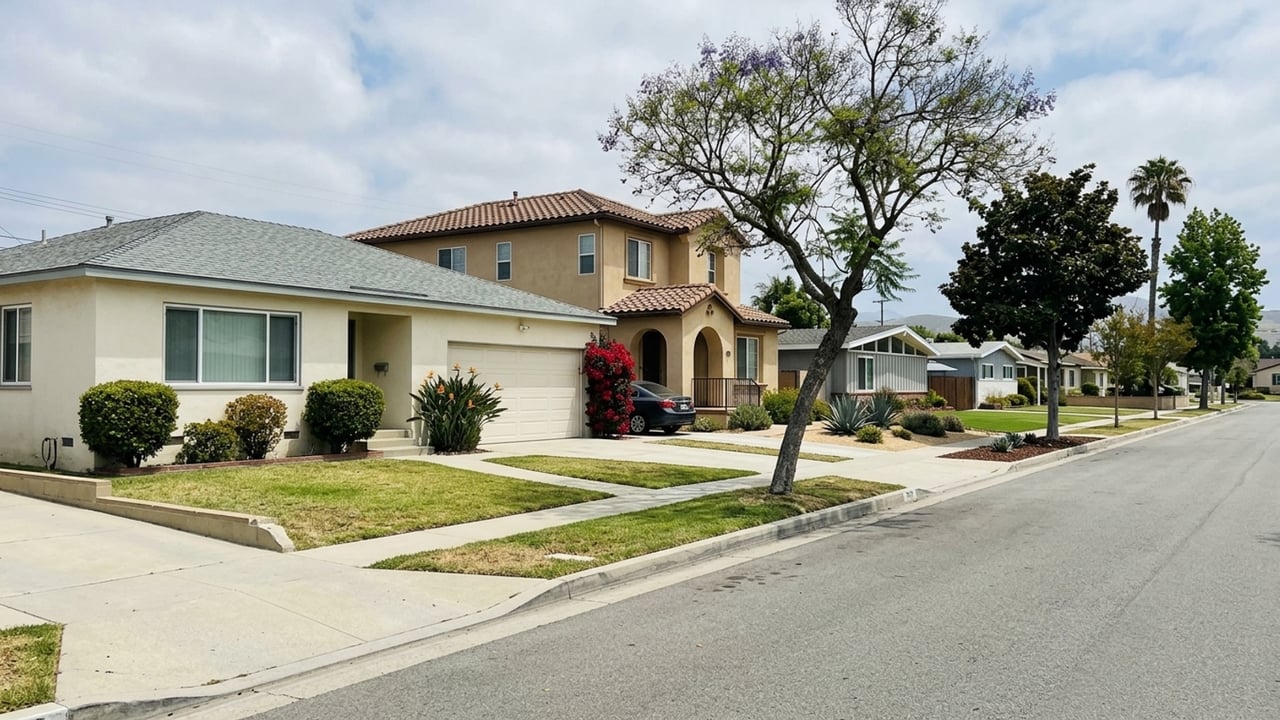
Torrance sits in the South Bay region of Los Angeles County, built around an aerospace industry and close enough to the beach that you can smell the ocean on a clear day. If you're weighing the pros and cons of living in Torrance and trying to figure out whether you can afford to live here, you're asking the right question - and you'll want more than a broad California average to answer it.
The median household income in Torrance is around $113,105 a year. That number matters, because what you earn shapes what the local housing market feels like. This guide breaks down the real costs - housing, utilities, transportation, taxes - so you can do the math for your own situation.
Torrance Cost of Living at a Glance
Depending on which index you use, living costs in Torrance run about 37% above the U.S. national average. Flip to a different data model and you'll see estimates closer to 62% above the national average and roughly 8% above the California average. These models weight different categories differently, so the spread is real and worth knowing about. What they agree on: Torrance runs about 13% below California's overall average on the more conservative indices, which tells you something about how it compares to the rest of the state.
How Torrance Compares to California and the U.S.
The number doing the most work in those indices is housing. Everyday goods and services track closely with the rest of Los Angeles County - it's the real estate market that pushes the overall cost-of-living figure up.
If you're relocating from another part of the country, the jump in expenses will hit you quickly. If you're coming from a comparable coastal metro, Torrance will feel more familiar.
The Short Answer on Affordability
Torrance is expensive by national standards. It offers a relative discount compared to some neighboring coastal cities, but don't let that soften the picture too much - you're still paying a coastal premium. The strong local job market helps offset that, but only if you're working in sectors that pay well here.
Housing, electricity, and fuel are your three biggest fixed costs. Plan around those first.
Home Prices and Rent in Torrance
The median sale price for a home in Torrance is currently around $1,206,701. Homes are spending a median of just 32 days on the market before going under contract, and with only about 1.8 months of housing supply available, buyers don't have the luxury of taking their time. Over 43% of recent sales closed above list price.
That's the market you're walking into.
Buying a Home in Torrance
A purchase price north of $1.2 million means a substantial down payment and the kind of household income that can support the mortgage that comes with it. Current interest rates and local property taxes both need to factor into your monthly estimate before you make an offer.
There are roughly 166 homes available at any given time. When something that fits your criteria hits the market, you need to be ready to move. Even with a 5.5% year-over-year dip in median prices, this market still favors sellers.
Renting an Apartment
The median rent in Torrance is $2,849 per month, down 4.9% year-over-year as of late 2026 - which is genuinely meaningful relief if you're a tenant. For context, the national median rent runs roughly $1,925 a month. Torrance comes in at about 1.5 times that figure.
Monthly Expenses: Utilities and Transportation
Electricity in Torrance runs about $325 per month for residents, which works out to roughly $0.31 per kilowatt-hour - 58% higher than the national average of $0.20 per kWh. Natural gas rates aren't much friendlier: residential natural gas prices average roughly $19.31 per thousand cubic feet, approximately 29% more than the U.S. average.
Neither of those figures is surprising for coastal California, but they're worth building into your budget explicitly rather than discovering them after you've moved.
Utility Bills
For a standard apartment, bundling basic utilities - electricity, heating, cooling, water, garbage - lands you somewhere between $250 and $257 a month. Single-family homes will run higher, particularly in summer when air conditioning usage picks up. If you're buying, ask the seller for a full year of utility history before you close.
Gas Prices and Commuting
Regular gasoline in Torrance currently averages around $5.61 per gallon, with local stations ranging from $5.09 to $6.19. That aligns closely with the statewide average of $5.58 to $5.62 per gallon. If you're commuting to employment centers in Los Angeles, run the numbers on monthly fuel costs before you sign a lease or commit to a purchase location.
Local Taxes in Torrance
The combined sales tax rate in Torrance is 8.85%, which applies to most retail purchases, dining, and everyday goods. Property taxes in California average roughly 0.71% of a home's assessed value - and because values re-assess at the point of purchase, new buyers pay taxes based on what they paid, not what the previous owner paid years ago.
California's state income tax scales with earnings and reaches up to 13.30% in the highest brackets. Talk to a tax professional about what that means for your specific take-home pay before you finalize your budget.
Salaries and Income Expectations
The median household income in Torrance is $113,105 a year. At that income, renting is manageable for most households. Buying a median-priced home at $1.2 million is a different story - that typically requires either dual incomes, a larger down payment, or both.
Median Income and the Middle Class
Around $113,105 puts you in the middle of the pack in Torrance. Households earning in that range can cover daily expenses, standard utility bills, and local transportation without too much strain. Saving for a down payment while paying $2,849 in median rent is where the math gets harder. Most buyers who get there are either earning well above the median, coming in with equity from a previous sale, or spending years building toward it.
Why Torrance Commands These Prices
The aerospace and technology sectors anchor Torrance's local economy. Those industries bring higher-paying jobs, and higher-paying jobs drive housing demand. The city's position in the South Bay puts it close to beach communities without carrying the direct waterfront premium - which is part of why buyers target it.
The other factor is simple math: 1.8 months of supply and steady buyer demand from people moving to the South Bay. That imbalance keeps prices where they are.
Pros and Cons of Living in Torrance
Torrance offers real employment opportunities, proximity to the coast, and neighborhoods with some stability. Commutes to major South Bay employers are shorter than they'd be from further inland.
The barrier to entry is the honest downside. Homes priced over $1.2 million, electricity costs running 58% above the national average, gas at $5.61 a gallon - none of that is small. Affordability is a real constraint here, not a footnote.
Weighing the Trade-Offs
Buyers coming from out of state tend to feel the sticker shock acutely, especially when they factor in the tax picture. Buyers relocating from elsewhere in Los Angeles County more often find that Torrance makes sense relative to what they already know.
You'll pay more for housing and utilities than you would in most of the country. What you get in return is a location with a functioning job market and coastal access. Whether that trade makes sense depends on where you're in your career, what your income looks like, and how long you plan to stay. Those are the questions worth sitting with.
Frequently Asked Questions
Is it expensive to live in Torrance, CA compared to Los Angeles?
Yes. Some indices show Torrance slightly below the California state average, but it's still a premium market within Los Angeles County. The median home price sits around $1.2 million - pricier than most inland metro areas in the region.
What salary do you need to live comfortably in Torrance, CA?
It depends on whether you're renting or buying. The median household income of $113,105 covers the median rent of $2,849 for most households, but buying a $1.2 million home generally requires a higher household income than that.
Why is Torrance so expensive?
Location and industry. Torrance sits in the South Bay near the ocean, and its aerospace and tech sectors draw workers who can compete for limited housing. With inventory at just 1.8 months of supply, demand consistently outpaces what's available.
What is considered middle class in Torrance?
The median household income of $113,105 is the standard benchmark. Households around that figure can generally manage local rent and everyday expenses. Homeownership usually requires additional savings beyond what that income alone provides.
What is the average cost to buy a home or rent an apartment in Torrance, CA?
The median sale price for a home is approximately $1,206,701. For renters, the median is $2,849 per month.
Are there any hidden living expenses or high local taxes in Torrance?
Utility costs and taxes both deserve attention. Electricity runs about 58% above the national average, and the combined sales tax rate is 8.85%.
Is Torrance, CA a good place to live?
For buyers who can manage the cost of living, yes. Proximity to South Bay beaches, solid employment in aerospace, and established neighborhoods make it a consistent draw in Southern California.