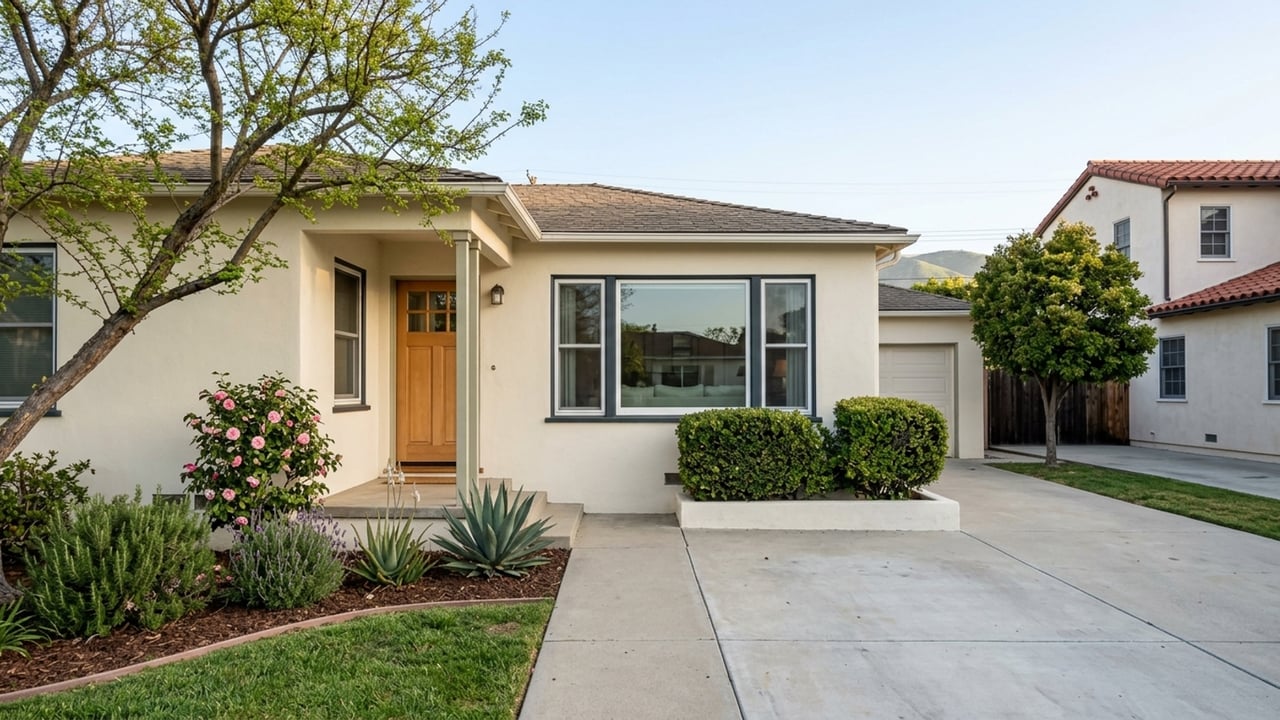
The South Bay region of Los Angeles County has its own gravity - it pulls buyers who want coastal suburban life without living on top of each other. Torrance sits right in the middle of that pull for anyone weighing the pros and cons of living in Torrance, CA. With a population hovering around 139,500, it's the eighth largest city in the county, and it carries that size comfortably.
If you're looking at the broader Los Angeles market, you've probably already noticed that Torrance keeps coming up. It offers real access to major employment centers and beach communities without the density of downtown LA. But before you commit to anything, you'll want to understand the housing market, where the school district boundaries fall, and what your daily commute is going to feel like. Those three things will tell you more than any list of neighborhood highlights.
Location and Geography of Torrance, CA
Torrance sits roughly 20 miles south of downtown Los Angeles. That distance sounds manageable until you factor in traffic, which is why most commuters here plan their days around the freeways. The city's South Bay position gives you relatively quick access to the Pacific Ocean - though "relatively quick" is doing real work in that sentence when the 405 is backed up.
Knowing exactly where the city limits begin and end matters more than you'd think. It changes which properties are in Torrance versus a neighboring city, and that affects everything from school assignments to tax rates.
County and Metro Proximity
Torrance is entirely within Los Angeles County and functions as a major residential and commercial anchor for the wider South Bay region. Being part of the Los Angeles-Long Beach-Anaheim metro means you're connected to regional transit and within range of major airports - that matters for a lot of buyers.
The 20-mile drive to downtown Los Angeles is the number people always quote, but the honest version is this: expect anywhere from 30 minutes to over an hour depending on when you leave. Plan accordingly.
Local ZIP Codes
The city covers a large footprint and includes 10 ZIP codes total. The six standard residential ones are 90501, 90502, 90503, 90504, 90505, and 90506. The remaining four - 90507, 90508, 90509, and 90510 - are PO Box ZIP codes used locally.
This matters for practical reasons. Which ZIP code a home falls into is a quick way to start estimating commute times and tracking how property values compare across different parts of the city.
What Life is Like in Torrance
Torrance holds its balance between residential neighborhoods and large commercial districts better than a lot of South Bay cities. You've got major shopping centers, corporate campuses, and one of the more substantial public school systems in the region - all within the same city limits.
The Torrance Unified School District, or TUSD, enrolls about 22,023 students across roughly 32 to 33 schools: 19 elementary, 11 middle, and 8 high schools. District headquarters are at 2335 Plaza del Amo. That's a significant school system, and it shapes a lot of what daily life here looks like for families.
Who Fits the Torrance Lifestyle
If you want a suburban layout with urban amenities close by, this market makes sense to look at seriously. The housing stock is genuinely varied - single-family homes with yards, townhouses, apartment complexes - so there's usually something that fits different budgets and household configurations.
The coastal-adjacent climate is mild most of the year. If outdoor recreation and stable weather matter to you, that's worth factoring in.
Daily Life and Amenities
Everyday conveniences are distributed well across the city's commercial corridors. Grocery stores, large retail plazas, medical facilities - you're not driving far for any of it from most neighborhoods. The street grid helps keep local traffic moving even when the freeways aren't cooperating, and the city supports both car commuters and people using regional bus lines. Rush hour is real here, but it's not uniquely punishing compared to the rest of the metro.
Housing Costs and Everyday Expenses
Let's be direct about the numbers. The median sale price for a home in Torrance currently sits at roughly $1.2 million. Homes are spending an average of 32 days on market before going under contract, and with only about 1.8 months of supply and around 166 available listings, you're not shopping in a relaxed environment. Properties have been selling for about 1% over list price on average - demand hasn't softened heading into fall 2026.
Buying a Home and Property Taxes
California's Proposition 13 caps the base property tax rate at 1% of assessed value. For the 2024-2025 fiscal year, the city-specific rate in Torrance was reported at roughly 1.10967%. On top of that, budget for direct assessments - these add approximately $300 to $400 per parcel and cover items like school parcel taxes.
Effective tax rates across the city range from 0.64% to 1.47% depending on the specific ZIP code and how a property's assessed value compares to current market rates. That's a meaningful spread, so don't assume one number applies everywhere.
Renting an Apartment
The rental market runs from older garden-style buildings to newer mid-rise complexes. As of August 2026, the average rent for an apartment here is about $2,547 - up nearly 1.8% compared to the prior year. Larger or luxury units push well past $4,000. It's a wide range, and what you get for your money varies considerably by building age and location.
Neighborhoods and Housing Options
Torrance has real neighborhood variation, not just marketing variation. The western side of the city sits closer to the ocean; the eastern and northern sections border major freeways and industrial centers. That geography shapes everything from noise levels to property prices.
It's worth spending time in multiple areas before you decide where to focus. The mid-century suburban tracts that cover much of the city feel different from downtown, and prices reflect that. Buyers who tour just one part of Torrance often leave with an incomplete picture of what the market offers.
Evaluating Local Security
The Torrance Police Department and local fire stations serve the city across all 10 ZIP codes. If you want to understand how a specific area operates - response times, local statistics - that information is available directly through city reports and public records. That's where I'd send you rather than relying on aggregated data that doesn't always reflect neighborhood-level reality.
Downtown Torrance Living
Downtown has a different character than the rest of the city. You'll find older single-family homes, low-rise apartments, and commercial buildings sharing blocks, with original architecture that hasn't been scraped away. It's walkable to local civic buildings and independent businesses in a way that the suburban tracts simply aren't.
Inventory downtown tends to be tighter than in the surrounding areas. When something comes up, it moves. If this part of the city interests you, be ready to act.
Dining, Shopping, and Entertainment
You don't need to leave Torrance to find major retail brands or specialized local services - the commercial sectors handle both without much effort. The downtown district in particular functions as a gathering point for independent businesses and community events, and it gives newcomers a reasonable read on the city's character beyond the strip malls.
Downtown Restaurants
The dining options downtown are spread across a walkable layout - local cafes, bakeries, and sit-down restaurants occupying historic storefronts. The range runs from casual lunch counters to more formal dinner spots. Weekend mornings bring out the neighborhood; coffee and breakfast crowds fill the sidewalks.
Local Events and Activities
The city runs seasonal events, farmers markets, and community festivals throughout the year, typically centered on the downtown district. Beyond that, the network of public parks and recreation centers offers sports fields, walking paths, and scheduled community programs. It's a legitimate infrastructure for outdoor and community activity, not just a line in a brochure.
Planning Your Pre-Move Scouting Trip
There's no substitute for being here. A few days in Torrance will tell you more about traffic patterns and neighborhood feel than anything you'll read online. Drive the major corridors at rush hour. Test the commute to wherever you'll be working. Walk a few different ZIP codes.
Booking accommodations near the center of the city gives you a reasonable home base for that kind of exploration. The downtown area and surrounding commercial districts have several lodging options to choose from.
Where to Stay Near Downtown
There are multiple hotels within a short drive of downtown, ranging from extended-stay suites aimed at corporate travelers to standard hotel rooms. Staying close to the downtown district puts you near local restaurants and transit routes, and it makes it straightforward to map driving routes to schools or nearby employment centers. Start there and work outward.
Frequently Asked Questions
Is Torrance, CA a good place to live?
Yes, in the sense that it offers a solid combination of suburban housing, coastal proximity, and substantial city services. The Torrance Unified School District and the range of retail and commercial options make it a practical choice for a lot of households.
Where is Torrance, CA located?
It's in the South Bay region of Los Angeles County, California - roughly 20 miles south of downtown Los Angeles, within the Los Angeles-Long Beach-Anaheim metropolitan area.
How much does it cost to live in Torrance, CA?
Housing is the biggest number. The median home sale price is around $1.2 million, and average rents run about $2,547. Property taxes generally come in around 1.1% of assessed value, plus a few hundred dollars in direct assessments per parcel.
Is Torrance, CA safe?
It depends on which part of the city you're asking about. Torrance is a large city with varied neighborhoods and commercial zones. The most useful thing you can do is review public records directly from the Torrance Police Department and look at data specific to the ZIP codes you're considering.
What are the best neighborhoods to buy a home in Torrance, CA?
That's a function of your budget and what daily life needs to look like for you. The western neighborhoods put you closer to the ocean. Downtown Torrance offers a historic, walkable environment that's genuinely different from the rest of the city. Neither is universally better - they suit different buyers.
What is there to do in downtown Torrance?
Independent restaurants, cafes, and local shops in historic buildings, plus seasonal community events and easy access to nearby city parks. It's an active district without being overwhelming.
Where should I stay when visiting Torrance to scout neighborhoods before moving?
Look for hotels near the downtown district or along the major commercial corridors. That central position makes it easy to test local commute times and move between different residential ZIP codes as you explore.