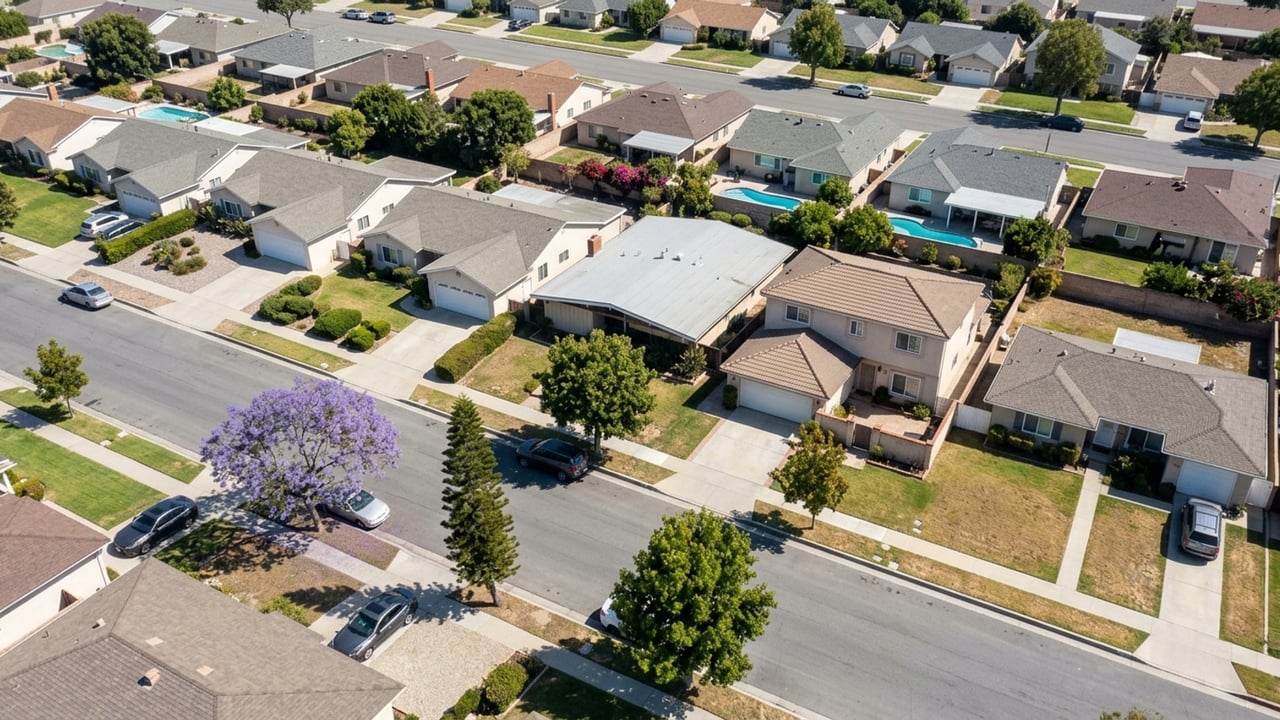
Selling a home involves a lot of paperwork, but the disclosure package is the piece that can sink your sale in escrow if you get it wrong. California requires sellers of residential property to disclose known material defects to buyers, even if the property is sold as-is.
In Torrance, that means gathering state-mandated forms, ordering natural hazard reports, and pulling local permit records. Having the complete package ready before offers keeps buyers focused on closing rather than renegotiating.
Key Takeaway
Torrance sellers owe buyers California's standard disclosure package: the Transfer Disclosure Statement, a Natural Hazard Disclosure report, and on most agent-listed sales the Seller Property Questionnaire. Condos and townhouses also require HOA documents. For a single-family house, have the package ready before you take offers: 49.4% of Torrance houses sold above list in the last 90 days, and buyers who have read your disclosures price issues into the offer instead of asking for credits in escrow. If you're selling a condo or townhouse, order the HOA documents first, because they come from a third party and their timing is out of your hands.
Who This Guide Is For
You're preparing to list a Torrance home and need to know which disclosure forms you owe, which local items to verify, and when to hand them to buyers.
Why Timing Matters for Torrance Seller Disclosures
When you hand over your disclosures matters as much as what's in them. Single-family homes sold in a median 29 days with 1.5 months of supply, so a complete package ready before offers lets buyers price known issues in up front. Condos took a median 51 days with 3.9 months of supply, which gives buyers enough choice that a late or thin disclosure turns into a repair credit or a canceled escrow. The speed of your listing doesn't change what you have to disclose, but it dictates when it's smartest to disclose it. We also outline how long to sell in Torrance to help you plan your timeline.
In the single-family segment, a package available before buyers write an offer means known issues are already factored into their price rather than raised during the investigation period.
For condos, buyers have nearly four months of alternatives. Anything they learn late in the process becomes a reason to demand a credit or walk away. You can review current Torrance housing market trends to see how these supply numbers shift over time.
How to Plan Your Torrance Disclosure Package
Your property type and expected time on market dictate how you should assemble your paperwork. A few baseline questions help you focus on the steps that apply to your specific sale.
- Are you selling a single-family house you expect to draw several offers in the first week? Plan to finish the full package before listing day.
- Is it a condo or townhouse? Order the HOA document packet before anything else, then complete the state forms.
- Has the home had additions, garage conversions, or remodels, or was it built before 1978? Pull the city permit history and plan the lead-based paint forms.
- Do you know whether your property falls in a mapped hazard zone, the airport influence area, or near a former oil well? Order the hazard report early and check its environmental addendum.
Which Disclosure Forms California Requires
California Civil Code 1102 requires sellers of most 1-4 unit residential properties to deliver a completed Transfer Disclosure Statement to the buyer. On agent-listed sales, sellers also complete the Seller Property Questionnaire. These forms ask you to detail everything you know about the property's condition, from the roof and plumbing to neighborhood noise and past repairs.
A third party prepares the Natural Hazard Disclosure report, which checks whether the property sits in six statutory hazard zones: special flood hazard areas, dam inundation zones, very high fire hazard severity zones, state fire responsibility areas, earthquake fault zones, and seismic hazard zones. If a natural hazard expert determines the property is within an airport influence area, the report must also include a notice advising the buyer to consider airport-related annoyances. Your listing agent will complete a separate visual inspection disclosure after walking through the home.
Some homes require additional paperwork based on age or tax status. If your home was built before 1978, federal law requires lead-based paint forms, and you can confirm your build year on the Los Angeles County assessor record to see if this applies. You must also disclose Mello-Roos or special assessments if they appear on your property tax bill, as well as any death on the property within the last three years.
When describing the property on these forms, stick to physical features and avoid comments about neighbors or who lives nearby. For any legal questions about what to disclose, consult a California real estate attorney.
Torrance Location Checks for Your Hazard Report
The California Geological Survey publishes an official map of seismic hazard zones for the Torrance quadrangle, detailing areas where liquefaction and landslides may occur during a strong earthquake. Your hazard report will verify if your property falls into these mapped zones, or into coastal tsunami hazard areas near the Torrance shoreline. The report should also confirm whether the home sits in Zamperini Field's airport influence area.
The Del Amo Superfund site covers about 280 acres of a former synthetic rubber plant, while the adjacent 13-acre Montrose site was a DDT manufacturing plant. Groundwater contamination from the two sites has commingled, sending benzene and chlorobenzene plumes south beneath Torrance neighborhoods. Ask your hazard report provider whether their package includes an environmental addendum covering these specific sites and the Torrance Refinery.
You should also check for former oil or gas wells on or near your lot. CalGEM's Well Finder is the official state mapping tool for locating these wells, and you can look up your parcel yourself before the buyer does. If you're concerned about flood risk, reviewing local safety and flood data will show you exactly what buyers see when they research the area.
When to Deliver Disclosures to Buyers
In the standard California residential purchase agreement, the seller's default deadline is to deliver all reports and disclosures within seven days after acceptance. The buyer then has a default 17-day investigation period to review the paperwork and remove their loan, appraisal, and investigation contingencies. This post-acceptance model is the default for most sales, but it gives buyers a long window to demand repairs or back out.
The alternative is the pre-offer model, where the disclosure package is posted for buyers to review and sign before writing their offer. Pre-offer delivery suits the fast single-family segment, keeping the sale moving without pausing for late paperwork. Condo sellers gain the most from being complete and early, because their buyers have the time to shop around and use late disclosures to their advantage.
Your real estate agent sets the specific contract timelines in the offer. Mercedes Van Pelt can help assemble the package and set the delivery timing for your listing.
The Buyer's Cancellation Window After Delivery
If the buyer receives your Transfer Disclosure Statement after making an offer, California law lets them cancel within three days of in-person delivery, or five days if it was mailed. This termination window starts when the primary sections of the disclosure form are completed and delivered to the buyer or their agent. Every late or amended disclosure hands the buyer a fresh exit, so finishing the package early closes that window before it opens.
Delivering early doesn't end your duty. If you learn of a new material issue before closing, you still have to amend the disclosure. That amendment can reopen the buyer's right to walk at the worst possible moment in escrow.
Condo and Townhouse Disclosures in Torrance
Townhouse median sale prices in Torrance recently fell 4.7% year over year. Townhouse sellers are already giving ground on price, and a surprise in the HOA minutes or reserve study gives the buyer one more advantage during negotiations.
Under the Davis-Stirling Act, condo and townhouse sellers must provide buyers with a specific set of HOA documents before transferring title. This includes a copy of all governing documents, the most recent financial and assessment documents, the budget, a reserve study summary, pending litigation, and community rules. The HOA or management company can charge a fee to procure and deliver these documents, or you can provide current copies already in your possession at no cost.
Ask your HOA for the current document packet fee and turnaround time as soon as you decide to sell. Read the last year of board minutes to check for planned special assessments or litigation before the buyer does. Getting these documents early prevents a delayed HOA packet from stalling your closing.
Permits, Past Repairs and Unpermitted Work
California's disclosure duty extends to previously repaired defects, meaning even if an issue was fixed in the past, it still belongs on your Transfer Disclosure Statement. Buyers are entitled to know about past problems that could resurface.
A garage conversion, added bathroom, or enclosed patio without a permit is safer explained in writing than discovered by the buyer's inspector or appraiser. Request your property's permit history from the City of Torrance before completing the forms. Pulling the disclosures and inspection reports you received when you bought the home is a useful starting point for remembering what to list.
Explaining unpermitted work on your own terms keeps you in control of the narrative. Mercedes Van Pelt can review what you've gathered before it goes to buyers. You can also prepare the property physically by handling necessary pre-listing repairs before buyers walk through the door.
At a Glance
- Single-family homes: median sale price $1,329,470, down 0.8% year over year; 101.3% sale-to-list; 1.5 months of supply; 177 sales (90 days ending 2026-09-30)
- Condos: median sale price $692,929, up 2.7% year over year; 99% sale-to-list; 23.5% sold above list; 35 sales (90 days ending 2026-09-30)
- Townhouses: median sale price $871,510; 27% sold above list; 2.2 months of supply; 49 sales (90 days ending 2026-09-30)
- All Torrance homes: median sale price $1,174,441, down 4.9% year over year; median 34 days on market; 100.7% sale-to-list; 266 sales; 176 homes in inventory (90 days ending 2026-09-30)
Torrance Seller Disclosure FAQs
Is a Seller Disclosure Mandatory When You Sell a Home in Torrance?
Yes, California Civil Code 1102 requires sellers of most 1-4 unit residential properties to deliver a completed Transfer Disclosure Statement to the buyer. Certain transfers are exempt from this specific form, including court-ordered sales like probate, foreclosure, or bankruptcy, as well as transfers between co-owners or spouses. Even in these exempt sales, sellers must still provide a Natural Hazard Disclosure report.
Does a Seller Have to Disclose a Previous Inspection Report in California?
The statute doesn't explicitly require sellers to hand over all prior third-party inspection reports, but you must disclose any known material defects affecting the property's value. If a past inspection report revealed material issues, those underlying facts must be disclosed on your forms. You should consult a real estate attorney to confirm how to handle specific reports in your possession.
Do I Have to Disclose Problems I Already Fixed?
Yes, California's disclosure duty extends to previously repaired defects. Even if an issue was fully fixed in the past, it must be disclosed because buyers have a right to know about past problems that could resurface. Gathering your invoices and permit records for the work shows buyers that the repair was handled professionally.
Are Disclosures Required If I Sell My Torrance Home As-Is?
Yes, selling a home as-is doesn't remove your legal duty to disclose known material facts. California law explicitly states that the delivery of the Transfer Disclosure Statement may not be waived in an as-is sale. An as-is clause limits repair negotiations, but you still owe the buyer the full disclosure package and hazard reports.
Where Can I Find the Seller's Disclosure from When I Bought My Home?
No single public database holds past residential disclosures. You can find them in your closing file from the escrow or title company, through the real estate agent who represented you, or on the electronic transaction platform used during your purchase. These old documents are a useful starting point for completing your own paperwork now.
Does the Del Amo or Montrose Superfund Contamination Affect What I Have to Disclose?
The Natural Hazard Disclosure report can include an environmental addendum covering the Del Amo and Montrose sites. Ask your hazard report provider whether their standard package includes that addendum, since groundwater plumes from both sites extend beneath Torrance neighborhoods. If the addendum is not included by default, request it as an add-on before you deliver disclosures to buyers.
Sources
- Redfin: Data Center
- California Legislative Information: Civil Code 1102
- California Legislative Information: Civil Code 1102.3
- California Legislative Information: Civil Code 1103.4
- CRES Insurance: C.A.R. Residential Purchase Agreement
- California Geological Survey: Seismic Hazard Zones
- EPA: Del Amo and Montrose Superfund Sites
- CalGEM: Well Finder
- California Legislative Information: Civil Code 4525
- California Legislative Information: Civil Code 1103