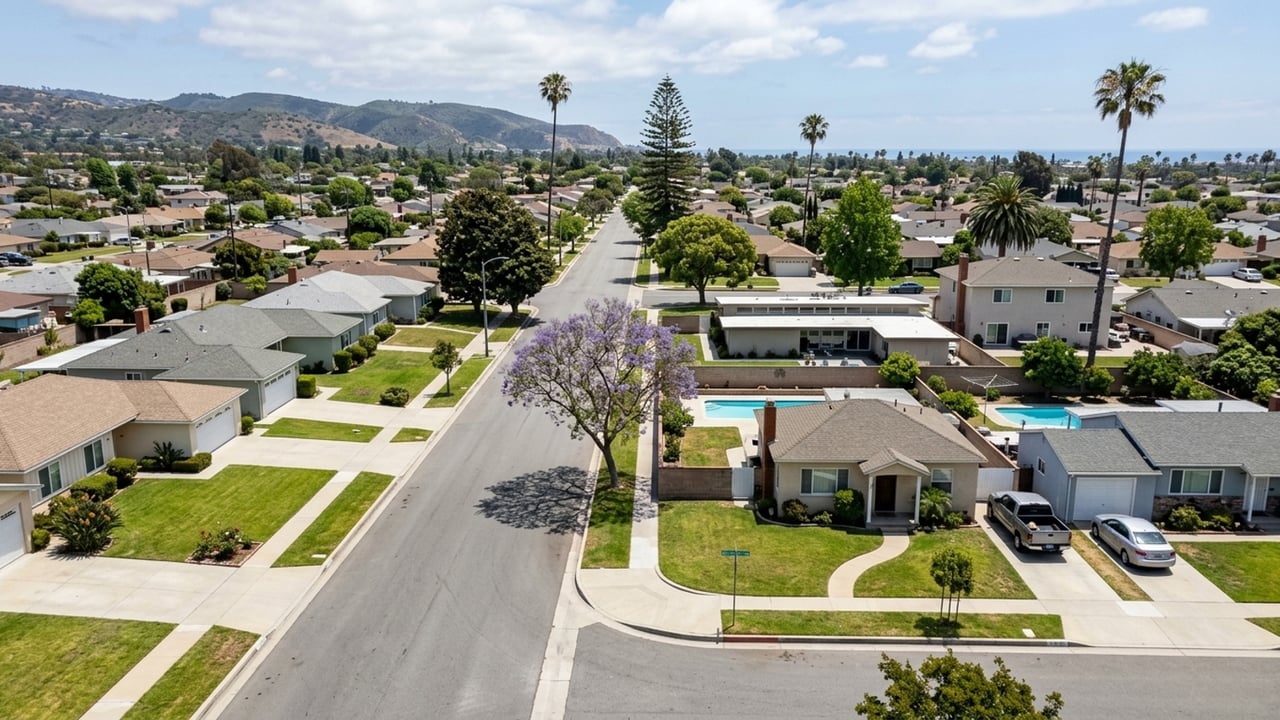
If you're shopping in Southern California and trying to decide between Los Angeles proper and the South Bay, Torrance, CA keeps coming up for a reason. The pros and cons of living in Torrance, CA depend on your commute and lifestyle preferences. It sits right at the edge of that regional divide - close enough to the city to commute, different enough that the day-to-day experience barely resembles it.
What it comes down to is housing density, your daily drive, and what kind of property you want to deal with. Los Angeles gives you dense, varied neighborhoods with major commercial centers right outside your door. Torrance gives you a traditional suburban layout, closer to the water.
Comparing the Real Estate Markets
The inventory in Torrance leans toward single-family homes with private yards. Los Angeles throws everything at you - high-density condos, townhomes, detached houses, the full spectrum. Property taxes skew slightly lower in the South Bay: Torrance homeowners pay a median effective rate of 0.64%, versus 0.66% in the City of Los Angeles. Both sit below the Los Angeles County average of 0.68%.
The Torrance market itself is moving. Homes are spending roughly 32 days on the market before selling, there are only about 166 active listings, and supply sits at 1.8 months. If something is priced well, expect competition.
Median Home Prices and Market Activity
The overall median sale price in Torrance is around $1,206,700, with homes selling at about 100.9% of list price - so the days of quietly negotiating down are mostly gone here. Break it out by property type and you get single-family homes averaging around $1.36 million, with condos offering a more accessible entry at roughly $587,000.
Los Angeles, by comparison, had a median sold price for existing single-family homes recently reported at $985,000. Looks cheaper on paper, but that number is averaging across hundreds of neighborhoods - dense inland communities, luxury coastal enclaves, everything in between. It's a blended figure, and it doesn't tell you much about any specific area.
Home Styles and Lot Sizes
Torrance is largely post-war single-family homes - standard suburban lot sizes, attached garages, residential streets built around that layout. The zoning reflects it. This isn't a high-rise market.
Los Angeles runs the full range depending on which neighborhood you're looking at. You might be choosing between a high-rise condo, a historic bungalow, or a multi-family investment property on the same afternoon.
Commute Times and Transportation Options
Where you live in Southern California is largely a commute decision, and Torrance sits at a real crossroads. It borders both the I-405 and the I-110, which puts drivers in a reasonable position whether they're heading north into Los Angeles or south toward Orange County.
Proximity to Downtown Los Angeles and LAX affects values in both markets. Do yourself a favor and drive your expected route during the 8 AM rush before you make an offer - midday estimates are essentially fiction.
Commuting to Downtown LA and LAX
Torrance to Downtown Los Angeles is roughly 20.9 miles. Per data from August 2026, the I-110 North during the 8 AM rush hour runs about 53 minutes. Los Angeles residents closer to the urban core have shorter drives to DTLA, though local street traffic fills in whatever time the freeway saves.
Both Torrance and many Los Angeles neighborhoods reach LAX without much drama via the I-405 or Pacific Coast Highway, depending on exactly where you're starting.
Public Transportation Options
Most people here drive. That said, transit exists. Torrance to Downtown Los Angeles by public transit runs about 89 minutes.
The LA Metro covers rail and bus throughout the city. On the South Bay side, Torrance Transit runs local bus routes that connect into the broader regional network.
Neighborhood Amenities and Lifestyle
Zoning shapes the experience more than anything else in this comparison. Los Angeles weaves shopping, dining, and housing together in dense urban pockets - you can walk to things. Torrance keeps its residential tracts separate from major commercial corridors, which means you're driving to the grocery store, but you're also getting wider streets and more dedicated outdoor space in return.
Neither approach is wrong. They just suit different people.
Access to Beaches and Parks
Coastal access is one of Torrance's real advantages. Torrance Beach sits directly on the Pacific Ocean and serves as the starting point for the local coastal bike path.
Los Angeles has famous coastal neighborhoods too, but most of the city's housing stock is well inland. Buyers who want to be near the water tend to focus their search on Torrance and the adjacent coastal cities.
Shopping and Dining Hubs
Torrance is home to the Del Amo Fashion Center, one of the largest retail malls in the country. It anchors the commercial life of much of the South Bay.
Los Angeles spreads its shopping and dining across hundreds of distinct districts citywide. If walkable, varied commercial streets matter to you, Los Angeles has more of that than Torrance does - that's just the honest read on the two layouts.
Deciding Between the Suburbs and the City
There's no objectively correct answer here, and anyone who tells you otherwise is selling something.
Torrance offers single-family homes, slightly lower property tax rates, and real proximity to the Pacific Ocean. Los Angeles offers a broader mix of property types, more extensive public transit, and immediate access to varied commercial districts. The best way to figure out which fits your life is to tour both, then drive each commute at the time of day that matters to you.
Frequently Asked Questions
Is real estate more expensive in Torrance or Los Angeles?
Single-family homes are generally more expensive in Torrance. The median single-family home in Torrance averages around $1.36 million, while the median sold price for existing single-family homes in Los Angeles sits closer to $985,000. That said, Torrance condos offer a lower entry point at roughly $587,000.
What is the commute like from Torrance to Downtown Los Angeles?
The drive covers approximately 20.9 miles and takes about 53 minutes during the 8 AM rush hour via the I-110 North, based on data from August 2026. Taking public transit for the same route runs about 89 minutes.
What types of homes are available in Torrance compared to Los Angeles?
Torrance inventory leans toward suburban single-family homes and condominiums. Los Angeles offers a much wider variety - dense apartment buildings, high-rise condos, townhomes, and historic single-family properties, depending on the neighborhood.
How do the public schools in Torrance, CA compare to Los Angeles neighborhoods for homebuyers?
You'll want to check the local school district boundaries for any specific property you're considering. Both Torrance and Los Angeles buyers should go directly to the respective district websites to confirm which public school serves a given address.
Are there different property taxes or city transfer fees when buying a house in Torrance versus Los Angeles?
The rates differ slightly. Torrance homeowners pay a median effective property tax rate of 0.64%, while the City of Los Angeles carries an effective rate of 0.66%. Both sit below the Los Angeles County average of 0.68%.
Which neighborhoods in Torrance offer a walkable lifestyle similar to popular Los Angeles areas?
Torrance is built around a traditional suburban layout where commercial and residential spaces are kept separate - most residents drive to retail destinations like the Del Amo Fashion Center. If dense, walkable commercial streets are a priority for you, that's more of a Los Angeles feature than a Torrance one.