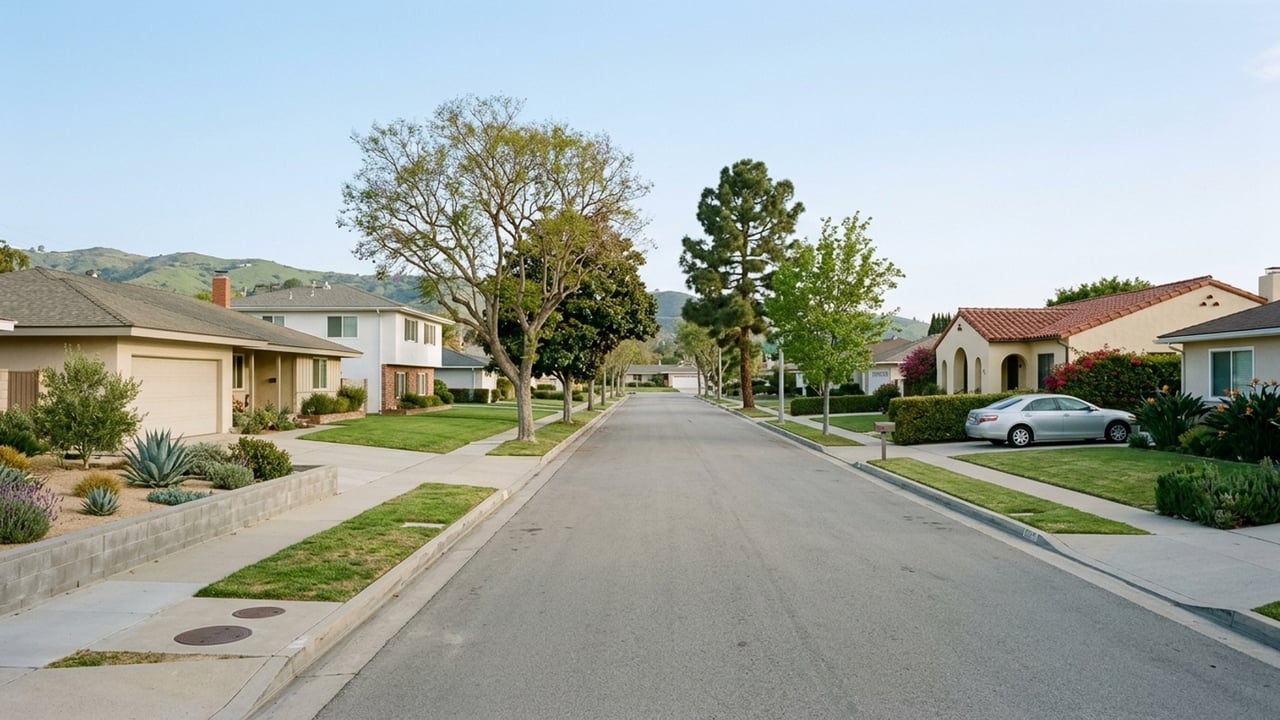
Torrance, CA, currently has a median home sale price of roughly $1,206,701. Homes are spending an average of just 32 days on the market before selling, and with only about 166 available homes in inventory, buyers evaluating the pros and cons of living in Torrance often have to move fast.
One detail that catches people off guard - how the property gets its water. Most of the city runs on municipal lines, but some properties operate on private wells. That distinction matters for your monthly budget and your long-term maintenance responsibilities, so it's worth understanding before you make an offer.
The Basics of Torrance Water Sources
Torrance properties generally rely on one of two municipal providers or a private well. The two main public providers are Torrance Municipal Water (TMW) and California Water Service (Cal Water) - Rancho Dominguez District.
A municipal system pipes treated water directly to your house, and you pay a periodic bill based on usage. A private well draws groundwater straight from the aquifer beneath the property. Well owners pump their own water, so there's no monthly utility bill for the water itself - though you do pay for the electricity to run the pump and the upkeep of the system.
Identifying Your Property's Water Source
The easiest way to figure out a home's water source is to look for a water meter near the street or ask for a recent utility bill. Properties on municipal water will have a meter box, usually embedded in the sidewalk or front lawn.
Homes with private wells will have a wellhead - a capped pipe sticking up out of the ground, often in the backyard. The seller's disclosures will also spell out which utilities are connected to the home.
Monthly Costs for Torrance Water Service
Your monthly water bill depends entirely on which provider services your neighborhood. Torrance Municipal Water customers typically pay around $75 to $150 per month, while residents serviced by Cal Water often report bills exceeding $300 per month.
For TMW customers, rates consist of a fixed monthly Meter Service charge - also called a Readiness-to-Serve fee - plus a variable commodity charge based on actual usage. And those charges aren't staying flat: the city is implementing 6.5% average system rate increases in both 2025 and 2026.
The Cost of Operating a Private Well
Private well owners skip the municipal commodity charges and fixed meter fees entirely. What you pay instead is the electricity to run the pump and the cost of routine maintenance.
Worth knowing: properties off the city water grid are often off the city sewer grid too, which means you're also responsible for your own septic system. Septic pumping and well inspections come out of your pocket directly, rather than folding into a consolidated city utility bill.
Water Quality and Health Standards
The latest Torrance Water Quality Report shows the municipal water has moderate hardness, measuring at 7.0 grains per gallon or 603 parts per million of Total Dissolved Solids (TDS). The city's water also contains levels of arsenic, hexavalent chromium, and disinfection byproducts. Those levels meet legal minimums but do exceed some health guidelines - which is why a lot of homeowners here choose to filter their drinking water at the tap or install whole-house systems.
Treating and Softening Your Water
Moderate hardness means you'll likely notice mineral buildup on showerheads and that familiar dry-skin feeling after a shower. A water softener can help extend the life of your plumbing fixtures and appliances.
Private well water quality is a different story - it varies by the specific aquifer and the depth of the well. Because there's no municipal treatment facility handling it for you, well owners are responsible for testing their own water annually for bacteria, nitrates, and local contaminants.
Pros and Cons of Private Wells in Southern California
A private well in Los Angeles County gives you independence from municipal rate hikes - you bypass the 2025 and 2026 TMW increases entirely. You also maintain access to water during municipal shutoffs or main breaks.
The flip side is the maintenance burden. If the pump breaks, that repair is on you. Southern California's drought conditions can also occasionally affect groundwater levels, which isn't something municipal customers have to think about.
Los Angeles County Well Regulations
The LA County Department of Public Health requires a permit for all well construction, modification, or destruction - you can't simply dig a new well or alter an existing one without county approval.
Work must be performed by a licensed C-57 contractor and requires an approved work plan. A field inspection by a Deputy Health Officer is required to witness the placement of the annular seal before the permit is valid, and the health department must be notified 48 hours prior to starting field work.
Switching Systems and Buying a Home with a Well
If you're looking at any of the roughly 166 available homes in Torrance and a property has a private well, ask for maintenance records. You'll want to see recent water quality test results and know the age of the well pump before you're under contract.
Switching from a well to city water is possible, but it's not simple. Connecting to the municipal grid requires a water main on your street and coordination with either TMW or Cal Water. You'll pay connection fees, meter installation costs, and the plumbing expenses to run the line into your house.
Maintaining Both Systems
Some properties split the difference - keeping a private well for irrigation while using municipal water for indoor plumbing. That setup lets you water the lawn without running up high commodity charges on your TMW or Cal Water bill.
If you plan to keep a well active for irrigation, LA County Department of Public Health guidelines for well modification and maintenance still apply. Verify the status of any well on the property during your inspection period.
Frequently Asked Questions
Is it better to buy a home with a private well or city water in Torrance?
It depends on your preference for utility bills versus maintenance. City water provides convenience but comes with fixed meter fees and commodity charges. A private well avoids monthly municipal water bills but requires you to pay for pump repairs and well inspections.
Is it cheaper to use well water or city water in Torrance, CA?
It depends on your usage and provider. Torrance Municipal Water averages $75 to $150 a month, while Cal Water can exceed $300. Well water has no monthly municipal bill, but you pay for the electricity to run the pump and occasional maintenance.
Is Torrance city water safe to drink compared to local residential well water?
Yes, municipal water is treated and meets legal minimums for safety. The city water does contain arsenic and hexavalent chromium levels that exceed some health guidelines, though they remain legally compliant. Well water safety varies by property and requires private testing to confirm.
What is the downside of having well water in Los Angeles County and Torrance?
The main downside is the maintenance responsibility. You must hire a licensed C-57 contractor for modifications and coordinate with the LA County Department of Public Health for permits. You're also responsible for testing your own water quality.
How much does it cost to switch from well to city water in Torrance?
It depends on the property's distance to the street main and the specific municipal provider. You'll need to pay connection fees, meter installation charges, and the cost of trenching a new plumbing line to your house.
Can you have both well water and city water on a Torrance property?
Yes. Some properties use municipal water for indoor drinking and plumbing while maintaining a private well exclusively for outdoor irrigation. That setup helps reduce the variable commodity charges on your municipal water bill.