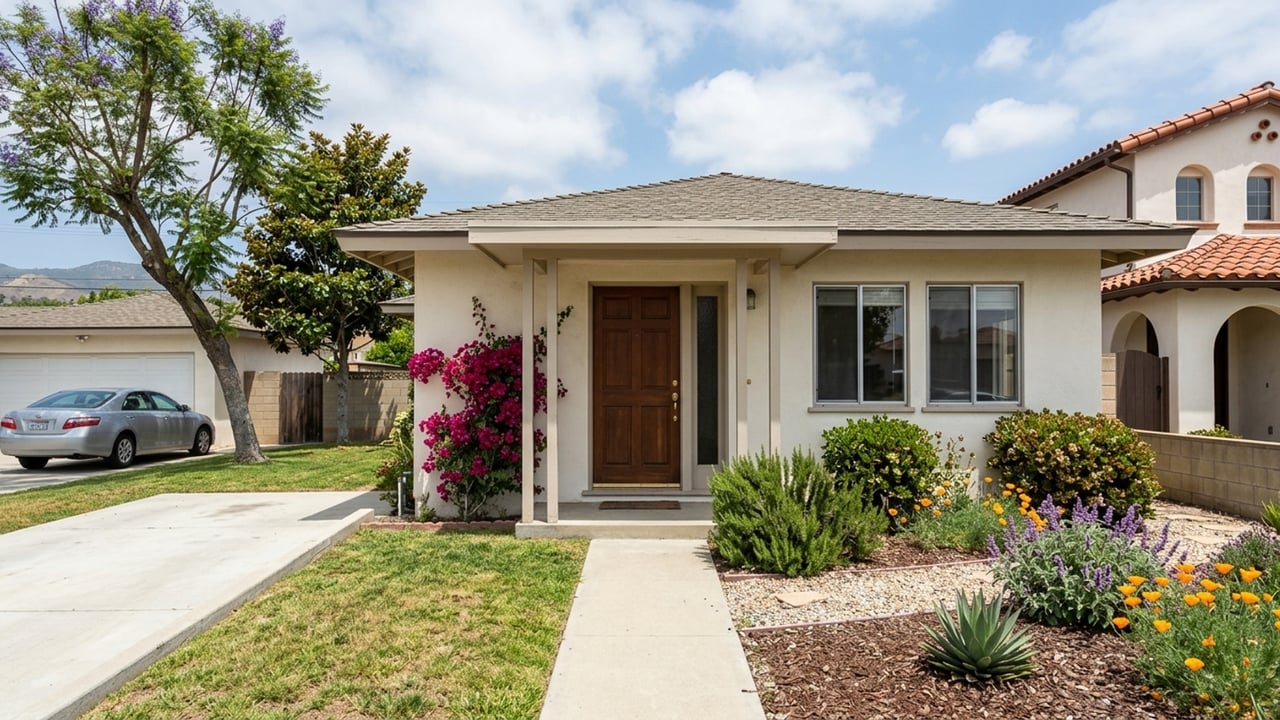
Torrance, CA, sits at an elevation of roughly 85 to 92 feet above sea level - close enough to the water that the Pacific does most of the heavy lifting to keep temperatures reasonable. The coastal climate stands out when evaluating the pros and cons of living in Torrance, CA. Buyers coming from inland parts of Los Angeles County notice the difference almost immediately.
The climate here is mild in a way that's genuinely useful, not just a marketing line. These conditions directly affect daily life and utility costs, helping you make a smarter decision about buying in the South Bay. With the median home sale price recently at $1,206,701, you're making a significant commitment, and the weather is part of what you're paying for.
Understanding the Local Climate in Torrance, CA
Torrance is the official representative city for the California Energy Commission's Title 24 Building Climate Zone 6 - a designation that has real consequences for any home built or renovated here, because it determines which energy codes apply to windows, insulation, and HVAC systems.
The climate classifications give you a more technical picture. Depending on the source, Torrance falls under either a Mediterranean climate (Csb) or a mid-latitude steppe climate (BSk) in the Köppen system. Both reflect the same basic reality: dry summers, moderate winters, and rainfall concentrated in a fairly short window. The coastal influence keeps temperature swings narrow compared to what you'd see in the inland valleys. If you're considering climate-controlled storage in Torrance, CA, temperature regulation is worth it mostly for the warmest stretch of late summer - the rest of the year is fairly forgiving on sensitive items.
The Official Climate Zones
Being in Building Climate Zone 6 means specific energy efficiency standards apply under California law. When you're looking at a property, that matters any time the seller has done window replacements, added insulation, or replaced the HVAC - all of it has to meet these requirements.
The mild baseline here does reduce dependence on air conditioning compared to other parts of the state. That said, the exact requirements for any given property depend on its location and construction history, so check the specifics on anything you're seriously considering.
Year-Round Weather in Torrance, Season by Season
The weather in Torrance, CA year round follows a pattern that's easy to describe: warm, dry summers and cooler, slightly damp winters, with daily highs that rarely drop below the mid-60s even in January.
Summer peaks late. August is the warmest month, with average highs around 77 to 78 degrees Fahrenheit. The coastal proximity is what keeps things from getting out of hand - you won't see the triple-digit temperatures that hit the Los Angeles valleys a few miles east.
Winter brings the rainfall and cooler air, but "cooler" is relative. December and January average between 54 and 57 degrees, with overnight lows bottoming out around 47 to 50. That's light jacket weather, not heavy coat weather.
Summer Temperatures and the Marine Layer
Early summer has its own personality here. "June Gloom" is what locals call it - a thick marine layer rolls in from the Pacific overnight, and you wake up to overcast skies and cool, damp mornings. By the afternoon it burns off, but it can catch newcomers off guard.
By July and August, that pattern typically clears. Skies open up and you get the year's highest temperatures with far less morning fog.
Winter Lows and Rainfall
Winter shifts the area into its wet season, though "wet" is a relative term. Cloud cover increases, periodic storms move through, and the daily routine changes a bit.
Even so, daytime highs in December and January hover around 66 to 67 degrees. You'll reach for a light jacket in the evening, not much more than that.
Spring and Fall Transitions
Spring and fall are genuinely comfortable - April averages around 69 degrees, October around 74, minimal rainfall, and consistent sunshine. If you're planning outdoor projects or just want to spend time outside without scheduling around the weather, these are your seasons.
Monthly Temperature Averages for Torrance
August is the hottest month, averaging highs of 77 degrees. December and January share the coldest title. The swing from the coldest winter night to the warmest summer afternoon is relatively small - the Pacific Ocean absorbs heat in summer and releases it in winter, which is exactly why people pay a premium to live near it.
For buyers evaluating homes, the practical takeaway is this: air conditioning is common in Torrance, but it runs far less often than in neighboring inland cities. Heating systems see real use primarily during early morning hours from December through March, and even then it's not running hard.
Month-by-Month Temperature Breakdown
Here's how average highs and lows in degrees Fahrenheit track across the year. January opens at 67/50, February at 66/51, March at 67/53. Spring continues with April at 69/55 and May at 70/58. Summer climbs through June at 72/61, July at 76/64, and August peaking at 77/65. Fall pulls things back with September at 77/64, October at 74/60, and November at 70/55, before December settles at 66/50.
Rain, Snow, and Humidity Expectations
Torrance averages roughly 9 to 13 inches of rainfall annually, though multi-year observed totals have ranged from 8.5 to 27.6 inches depending on the year. It varies.
Snow is simply not a factor. Torrance records 0.0 inches of snowfall in every single month of the year. No shoveling, no winterizing against frozen pipes, none of it.
Humidity generally ranges from 56% to 75% depending on the month, with an overall annual average around 57% to 62%.
Seasonal Humidity Shifts
June tends to be the most humid month, driven by the coastal marine layer that blankets mornings with damp air. It burns off as the day goes on, but mornings can feel noticeably moist.
November is the least humid month. Offshore winds push dry air toward the coast in fall, dropping humidity levels and producing the kind of clear, crisp days that make people forget why they ever considered leaving.
Natural Hazards and Severe Weather Risks
Like the rest of Southern California, Torrance has two hazards worth taking seriously: earthquakes and wildfire smoke. Tornadoes and severe thunderstorms are rare here.
Torrance itself is densely developed and less prone to direct wildfire burn zones than hillside communities, but smoke from regional fires in Los Angeles County can and does affect local air quality when coastal winds push it into the South Bay. That's a known factor, not a reason to panic.
Earthquakes are a constant baseline risk across the entire state. If you're buying an older property, verify that it's been properly retrofitted to current seismic standards - this is worth confirming before you're in contract, not after.
The June Gloom Effect
It's not a hazard exactly, but the marine layer is a dominant feature of early summer life here and worth knowing about. Thick coastal fog reduces visibility on morning commutes along Pacific Coast Highway and local arterial roads, and can produce light drizzle that makes roads slick.
If you're new to the area, adjust your morning routine in May and June. Leave a few extra minutes and slow down. It's not dramatic, but it's consistent.
The Best Times to Move to Torrance
Spring and fall are your best windows for moving - mild temperatures, clear skies, and a low chance of rain. October in particular is hard to argue with: average highs around 74 degrees and very little rainfall to complicate things.
The coastal advantage shows up clearly when you compare Torrance to the broader Los Angeles metro. When Pasadena or the San Fernando Valley hits 95 degrees in August, Torrance is typically sitting in the upper 70s.
December through February introduces genuine rain risk. The totals are low compared to most of the country, but a sudden Pacific storm can derail moving logistics quickly. It's manageable, just worth planning around.
Timing Your Real Estate Search
One real benefit of this climate: there's no off-season for house hunting. No snow shutting down open houses, no extreme cold keeping buyers home. You can tour any time of year.
Touring in late summer shows you how a property handles the warmest temperatures of the year. Touring in winter tells you how much natural light it gets during the shorter days. Both are worth knowing.
Buying a Home in the Torrance Climate
The market here reflects steady demand for coastal weather. The median sale price has reached approximately $1,206,701, homes are spending roughly 32 days on the market before going under contract, and the area carries just 1.8 months of housing supply. About 43.65% of homes are selling above list price.
With only 166 homes recently in active inventory, you don't have the luxury of taking your time when something fits. The mild, consistent climate keeps demand steady across all four seasons - there's no slow period to wait out.
Evaluating Property Features
Pay attention to orientation when you tour. South-facing windows capture useful sunlight in the cooler winter months, while mature trees can shade the home during the August heat - both matter more here than buyers sometimes realize.
Outdoor living spaces are a genuine value-add in Torrance. Patios, decks, and outdoor kitchens are usable almost 365 days a year, which effectively expands the livable square footage of a property in a way that doesn't show up on a floor plan.
Frequently Asked Questions
What is the weather like in Torrance, CA year round?
Torrance has a mild, Mediterranean-style climate year round. Average highs range from 66 degrees in winter to 77 degrees in summer, with dry summers and the bulk of the moderate rainfall arriving in the winter months.
Does it snow in Torrance, CA, and how much?
No. Torrance records exactly 0.0 inches of snowfall annually - temperatures don't drop low enough to produce freezing precipitation.
Is it humid in Torrance, CA?
Humidity is moderate, with an annual average between 57% and 62%. June is typically the most humid month because of the coastal marine layer. November is generally the driest.
Are there tornadoes or severe weather in Torrance, CA?
Tornadoes are rare. The primary natural hazards are earthquakes and the potential for poor air quality from regional Southern California wildfires.
When is the best time of year to move to Torrance, CA based on the weather?
Spring and fall, with October being particularly favorable - average highs around 74 degrees and very low chances of rain.
Do natural hazards or climate conditions in Torrance, CA require buyers to get special home insurance?
Yes. Earthquake insurance is worth looking into, since standard homeowners policies don't cover seismic events. While Torrance isn't typically in a direct high-fire-threat zone, verify your specific fire coverage options as well.
How much does the weather vary between coastal and inland neighborhoods in Torrance, CA?
Within Torrance itself, the variation is minimal - the entire city sits close to the ocean at an elevation of roughly 85 to 92 feet. Compared to inland Los Angeles cities, though, Torrance runs noticeably cooler in summer and slightly warmer in winter.