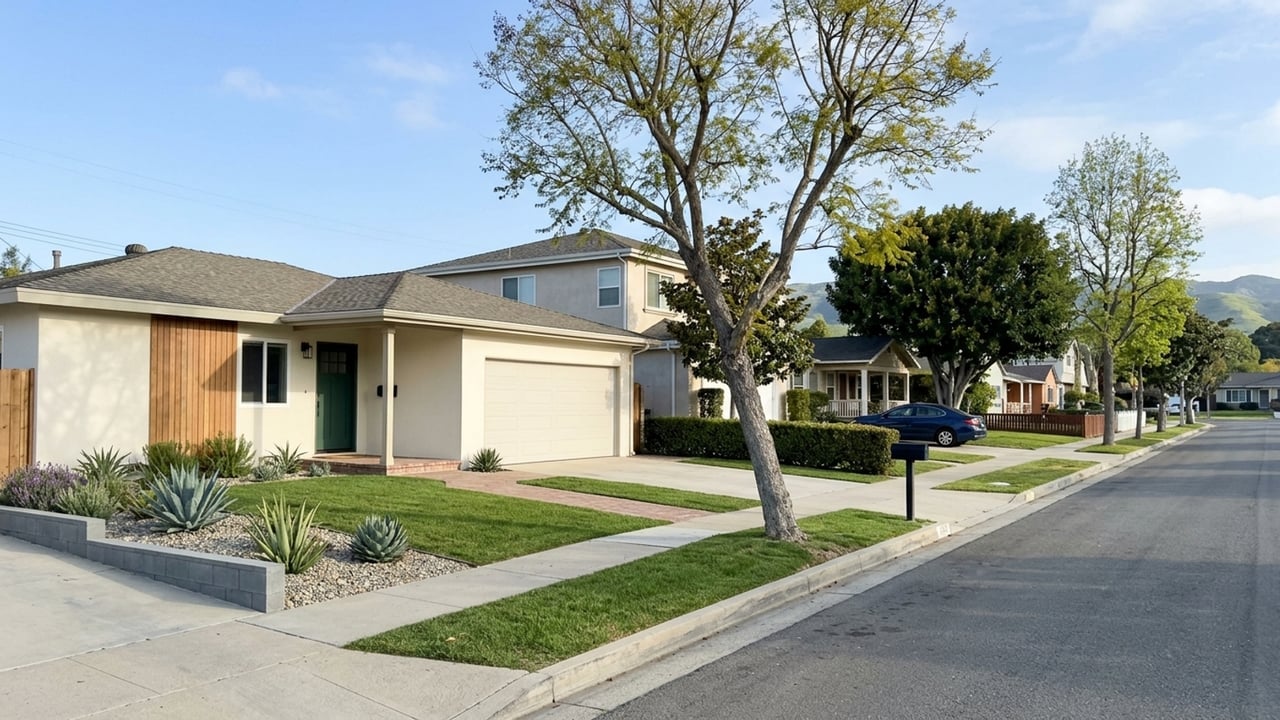
The median sale price for homes in Torrance, CA, recently hit $1,174,441. When you're getting ready to list, the temptation is to start spending money on renovations to push that number even higher.
What pays off depends entirely on what you own. Throwing cash at a major remodel doesn't guarantee a higher return, especially when buyers in different property types are looking for different things.
Key takeaway
If you own a Torrance house, spend on repairs and simple cosmetic fixes before any remodel. With 49.4% of single-family homes selling above list, buyers are already competing, and they pay most for a home that gives them nothing to renegotiate. If you own a condo or townhouse, in-unit condition and a list price set against the competing units do more than any upgrade.
Who this guide is for
You own a home in Torrance and are deciding which repairs or upgrades are worth paying for before you sell.
What increases home value in Torrance right now
The median sale price for all homes in Torrance fell 4.9% year over year, but single-family homes only moved 0.8%. If you own a house, don't read the citywide drop as your home losing 5% of its value, and don't rush a remodel to make it back. No project raises a property's value automatically. Projects pay when they remove a buyer objection or match what comparable sales show.
For the bigger picture, see Selling a Home in Torrance.
Single-family homes
Torrance single-family homes currently sit at just 1.5 months of supply. Inventory that tight means buyers are already competing, which is what's driving the median sale-to-list ratio to 101.3%. Your job as a seller is to protect that competition by fixing what an inspector would flag and presenting the property cleanly, rather than funding a remodel buyers didn't ask for.
A tight market doesn't rescue every listing. Homes that are overpriced or carry obvious defects still sit and eventually sell with credits. Buyers in a bidding situation won't bid up the cost of a remodel they would've done differently. With about a month and a half of supply, a well-priced, problem-free house rarely has to wait long for a buyer.
Condos and townhouses
A Torrance condo seller faces more than twice the supply a house seller does, with 3.9 months of supply currently on the market. Only 23.5% of these units sell above list. Your unit has to win on in-unit condition and a price set against the units listed in the same window. Townhouses sit somewhere between houses and condos for supply and competition.
If you're unsure how your property is classified, you can check the different types of homes in Torrance to confirm. Much of what buyers judge is outside your control. Building condition, HOA dues, reserves, and any special assessment all show up in the buyer's document review. Ask the HOA for current dues, the latest reserve study, and any planned assessments before you price. With nearly four months of supply, every condo listing competes with a long list of other units.
Torrance home values at a glance
These figures represent 90-day medians by property type, ending September 30, 2026. Your own property's value depends on comparable recent sales of the same type nearby. You can review the Torrance housing market trends for broader context on these numbers:
- All homes: median sale price $1,174,441, down 4.9% year over year; median $717 per square foot (266 sales, 90 days ending 2026-09-30)
- All homes: median 34 days on market; 100.7% sale-to-list; 40.8% sold above list; 2 months of supply; 176 homes for sale (90 days ending 2026-09-30)
- Single-family: median sale price $1,329,470, down 0.8% year over year; median $824 per square foot (177 sales, 90 days ending 2026-09-30)
- Single-family: median 29 days on market; 101.3% sale-to-list; 49.4% sold above list; 1.5 months of supply; 88 homes for sale (90 days ending 2026-09-30)
- Condo: median sale price $692,929, up 2.7% year over year; median $609 per square foot (35 sales, 90 days ending 2026-09-30)
- Condo: median 51 days on market; 99% sale-to-list; 23.5% sold above list; 3.9 months of supply; 44 homes for sale (90 days ending 2026-09-30)
- Townhouse: median sale price $871,510, down 4.7% year over year; median $613 per square foot (49 sales, 90 days ending 2026-09-30)
- Townhouse: median 40 days on market; 99.9% sale-to-list; 27% sold above list; 2.2 months of supply; 35 homes for sale (90 days ending 2026-09-30)
Repairs that protect your sale price
Fixing known issues prevents price cuts and repair credits during escrow. Buyers expect a functioning home, and deferred maintenance gives them a reason to negotiate your price down.
Get a pre-listing inspection
Hiring an inspector before you list tells you exactly what a buyer will find. You can then fix the issues on your own schedule, price the home around them, or disclose them up front instead of renegotiating after an offer. You decide what to repair and what to leave for the next owner.
The downside is that anything you learn has to be disclosed to buyers under California rules. An inspection can surface hidden problems you'll then have to fix or factor into your asking price.
Fix safety and system items first
Start with the items California expects at sale. California requires water heaters to be braced and smoke and carbon monoxide detectors to be in place when a home is sold. Once those are handled, move to the roof, plumbing, electrical, and drainage issues your inspection flagged.
These functional items rarely show up as a premium in your final sale price, but unresolved ones turn into seller credits or lost buyers. System repairs bring a home up to what buyers assume they're getting, which protects your price without lifting it above what comparable homes sold for.
Check your permit history
You can pull your property's permit file through the City of Torrance's online records portal before listing. Compare those records to what's built on the lot. This matters because square footage drives your property's value.
A converted garage or added room without permits may not count toward appraised living area. Match permitted square footage to what's built and what the listing will say. Legalizing old work can be slow and expensive, and city inspectors may require contractors to open up walls. For some sellers, disclosing the unpermitted space and pricing the home accordingly is the more realistic path.
Cosmetic updates buyers notice
Lower-cost visible updates help a home compete in listing photos and showings. The goal is to remove visual objections so buyers can picture themselves living there, not to express your own personal taste.
Paint and flooring
Neutral interior paint and repaired or replaced worn flooring are the cheapest changes buyers see in every listing photo. These updates make a space feel cleaner and better maintained. Simple as that.
What you give up is the chance to customize. Some buyers will repaint or replace the flooring anyway, so overspending on premium finishes rarely comes back to you at closing.
Kitchen and bathroom refresh
Updating hardware, fixtures, lighting, counters, or cabinet fronts usually pays off better than moving walls. According to the 2025 Cost vs. Value Report for the Los Angeles area, a midrange minor kitchen remodel runs about $29,765 and recoups 113% of its cost at resale. That's a better bet than a full gut renovation.
Changing plumbing or electrical layouts usually requires a city permit. A full remodel can also delay your listing by months and still be valued against the same comparable sales, and its cost usually doesn't return to your pocket when you're planning to sell soon.
Curb appeal and landscaping
Cleaning up the entry, painting the front door, and replacing exterior lighting creates an immediate first impression. Southern California water agencies pay rebates for replacing lawn with drought-tolerant landscaping. Torrance falls within the Metropolitan Water District, which offers a regional base rebate of $2.00 per square foot for removing live turf. You can check the utilities in Torrance to confirm which water provider serves your address.
The catch: rebate programs typically require approval before you remove any grass. A lawn torn out the week before listing may not qualify, and new plantings need time to look established. Confirm turf rebate eligibility and pre-approval with your water provider before removing any lawn. Once the updates are done, professional home staging can help buyers see the property's full potential.
Bigger projects: ADUs, additions, and energy upgrades
Projects that alter the footprint or major systems only make sense if you have a longer timeline before selling. You're trading time and permit fees for the chance to add usable, legal space.
Adding an ADU
State law lets most California single-family lots add both an ADU and a junior ADU. Torrance recently updated its local standards to match, though the city specifies that these units cannot be operated as short-term rentals for periods less than 30 days.
Torrance single-family homes currently sell for a median of $824 per square foot. It's tempting to multiply that figure by a 500-square-foot ADU and estimate a $412,000 value bump, but that median is a whole-home average across sales, not what a backyard unit returns on its own. An appraiser or comparable sales of homes with permitted ADUs are the real test.
Design, permitting, and construction take time and cash up front, and the new square footage can raise your assessed property value. If you're selling within a year, the project may not finish or pay back in time.
Adding a bedroom or bathroom
Converting a den, an oversized room, or a garage into a bedroom can fix a layout that buyers might otherwise mark down. Adding a bathroom to balance out the bedroom count also helps the property compete. Every version of this project needs a city permit, or it runs into the appraisal problems mentioned earlier.
What you give up is existing utility. A garage conversion or room addition can cost you parking or yard space that other buyers value. Ask an agent or appraiser for recent comparable sales of your property type, with and without the extra room, before you build.
Energy upgrades
Installing heat pump HVAC systems, heat pump water heaters, new insulation, or energy-efficient windows can lower utility costs. Various state and regional incentives exist for these upgrades, and any major alterations must meet California's Title 24 energy requirements.
Buyers rarely pay a visible premium for efficiency alone. Keep 12 months of utility bills to document the savings so they can be shown to buyers rather than just claimed. Verify any contractor's license on the California Contractors State License Board site before signing.
Which upgrades to do before you list
Deciding where to spend your budget comes down to your property type, your timeline, and your home's current condition. Ask yourself these questions:
- Do you own a single-family house or a condo/townhouse? A house points you to repairs and presentation. A condo or townhouse points you to in-unit condition and pricing.
- Are you listing within the next few months or in a year or more? Short timelines favor repairs and cosmetic updates. Longer timelines leave room for ADUs and additions.
- Has an inspection or your permit history turned up problems? If so, address those unpermitted areas or safety items before spending on anything visible.
- Will the project need a city permit or HOA approval? Check the permit and HOA rules before you commit to a timeline.
If you want to raise a house's sale price with a short timeline and limited budget, start with repairs that protect your sale price. Single-family homes go under contract in about 29 days at the median, so removing repair objections protects that fast-moving competition better than a remodel does. If you're selling a condo or townhouse, start with paint and flooring. Condos take about 51 days to sell at the median, so condo owners should budget for longer carrying costs before spending on projects.
If you want to list within a few weeks, paint, flooring, and landscaping are the fastest visible changes, and none of them require a permit or HOA review. If you have a year or more before selling and a lot with room to build, consider adding an ADU. Detached homes carry the highest median price per square foot, and permitted space is the only kind that counts.
You can review the selling a home in Torrance process for your next steps. Mercedes Van Pelt can pull comparable sales for your property type and walk through which projects the comps support.
Torrance home value FAQs
Is it better to sell a house in Torrance in 2026 or 2027?
It depends entirely on your next move, your equity, and your carrying costs. Currently, Torrance has about 2 months of supply across all homes, with 176 homes for sale over the 90 days ending September 30, 2026. Because conditions vary sharply between houses and condos, you should base your timing on your specific property type and check the broader Torrance housing market trends.
How much are houses in Torrance, CA?
Prices vary by what you're buying. Over the 90 days ending September 30, 2026, the median sale price for a single-family home was $1,329,470 across 177 sales. During that same window, condos sold for a median of $692,929, and townhouses sold for a median of $871,510. You can review the cost of living in Torrance to see how housing fits into broader local expenses.
Is Torrance, CA, a wealthy area?
Real estate in Torrance carries a high price tag. Across 266 sales over the 90 days ending September 30, 2026, the all-homes median was $717 per square foot. You can explore the most expensive areas in Torrance to see where the highest property values are concentrated.
Does remodeling raise property taxes in Torrance?
It depends on the scope of the work. Under Proposition 13, routine repairs and cosmetic maintenance generally don't trigger a reassessment. New construction, like an addition or an ADU, is appraised at market value, and that new value is added to your existing base year value. Confirm any reassessment questions about new construction with the LA County Assessor before you build.
Do I need a permit to remodel a house in Torrance?
Yes, for most major changes. The City of Torrance Building and Safety Division requires a building permit for almost any structural residential work, including additions, remodels, or alterations to walls, roofs, or foundations. The city now only accepts electronic plan submissions. Minor cosmetic work, such as painting or replacing carpet, is typically exempt from permit requirements.
Do I have to make repairs before selling a house in California?
No, but you must disclose known defects to the buyer. California uses the Transfer Disclosure Statement to ensure buyers know a property's condition before closing, rather than forcing sellers to fix every issue. The state does require you to brace the water heater and install smoke and carbon monoxide detectors before the sale. Consult a real estate attorney for specific situations regarding disclosures.
Does solar add value to a home in Torrance?
It depends on whether the system is owned or leased. Owned panels can appeal to buyers, but a lease must be transferred or bought out, which some buyers resist. For existing Southern California Edison customers, those on the older NEM 2.0 tariff are grandfathered for 20 years from their Permission-to-Operate date, preserving their billing structure. Find out whether any solar panels are owned or leased, and get the lease transfer terms in writing.
Do I need HOA approval to renovate a Torrance condo or townhouse?
Yes, if your governing documents require it. Under California Civil Code Section 4765, your HOA must provide a fair and expeditious decision-making procedure and issue any approvals or denials in writing. Read your CC&Rs and ask your HOA for the approval process for interior or exterior changes before hiring a contractor.
Sources
- Redfin: Data Center
- LA County Assessor: Real Property
- City of Torrance: Building and Safety FAQ
- City of Torrance: Properties, Permits, and Records Search
- City of Torrance: Accessory Dwelling Units and Junior Accessory Dwelling Units
- California Legislative Information: Health & Safety Code 19211
- Fannie Mae: Improvements Section of the Appraisal Report
- JLC: Cost vs. Value 2025
- SoCal Water$mart: Turf Replacement Program
- Southern California Edison: Net Energy Metering
- California Legislative Information: Civil Code 4765